

HVAC mold remediation.
Musty smell when the system starts? Mold can grow where the system stays damp. We find it and clean it out at the source.
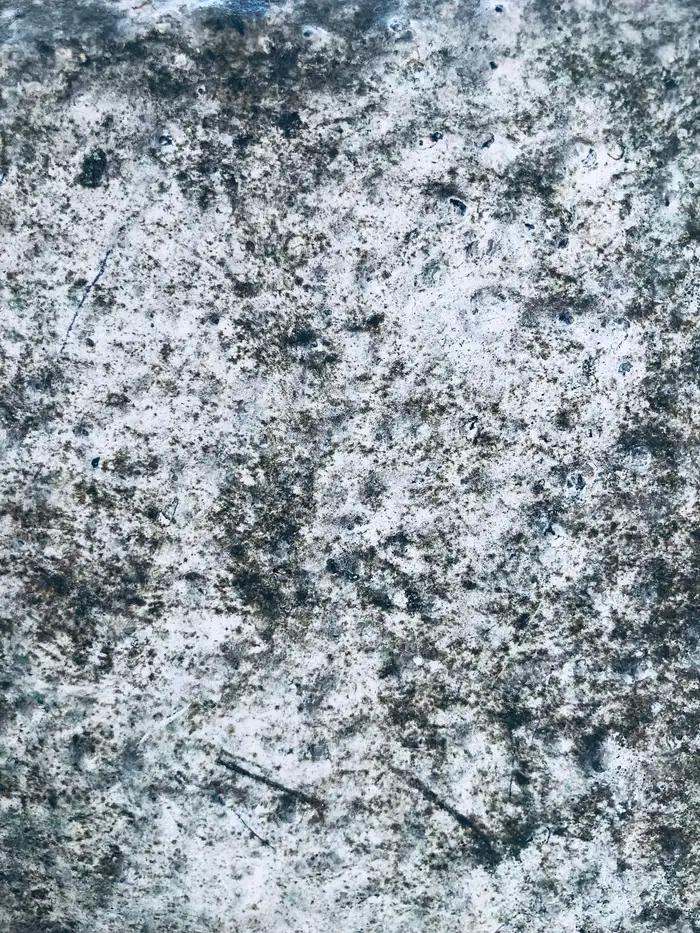
Damp, dark and moving air.
An HVAC system makes its own moisture. The cooling coil pulls water out of the air, and it drains away through a pan and a line. When that area stays wet, or ducts sweat in a humid space, mold has what it needs.
- Around the cooling coil and the drain pan
- Inside the air handler
- On duct surfaces that sweat
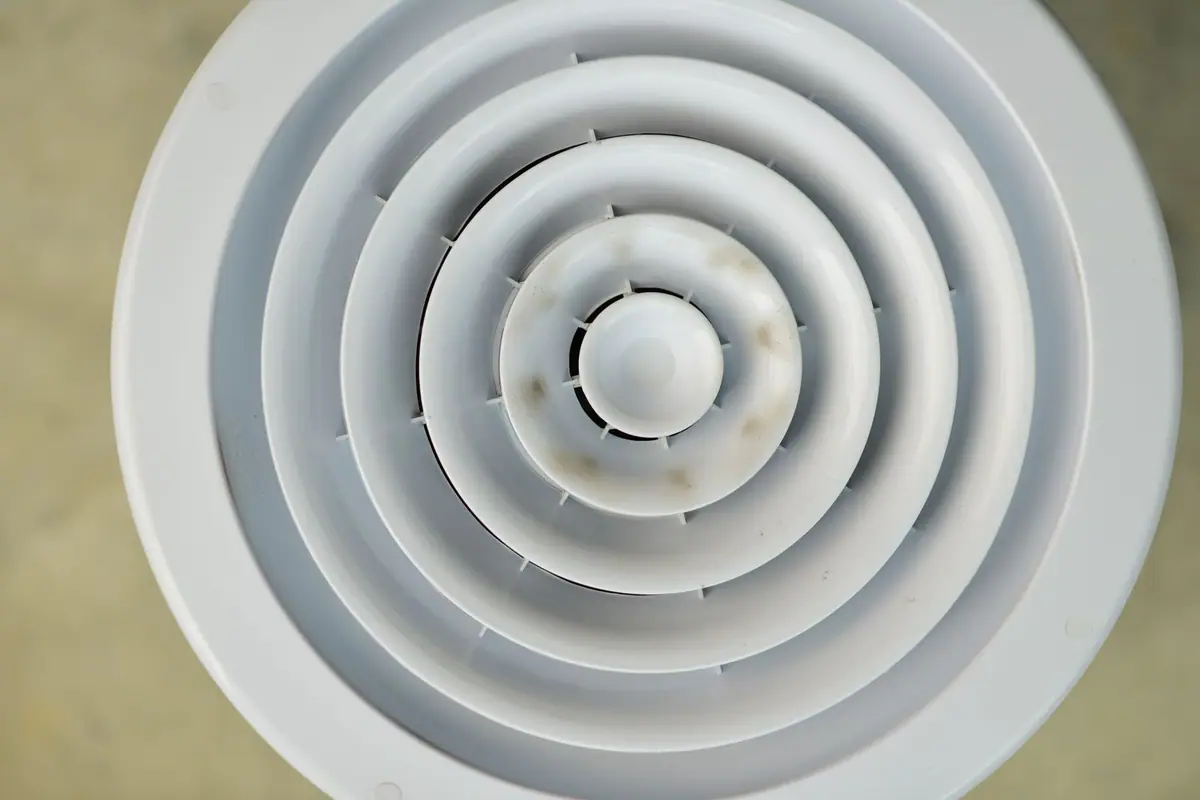
- At registers in damp rooms
Find it. Clean it out.
Look first
An inspection of the unit, the coil area and the ducts, so you know what is there and where.
Remediate at the source
The growth is cleaned out of the affected parts of the system.
Point to the moisture
Mold follows damp. We point out what we see, like a slow drain line or ducts that sweat.
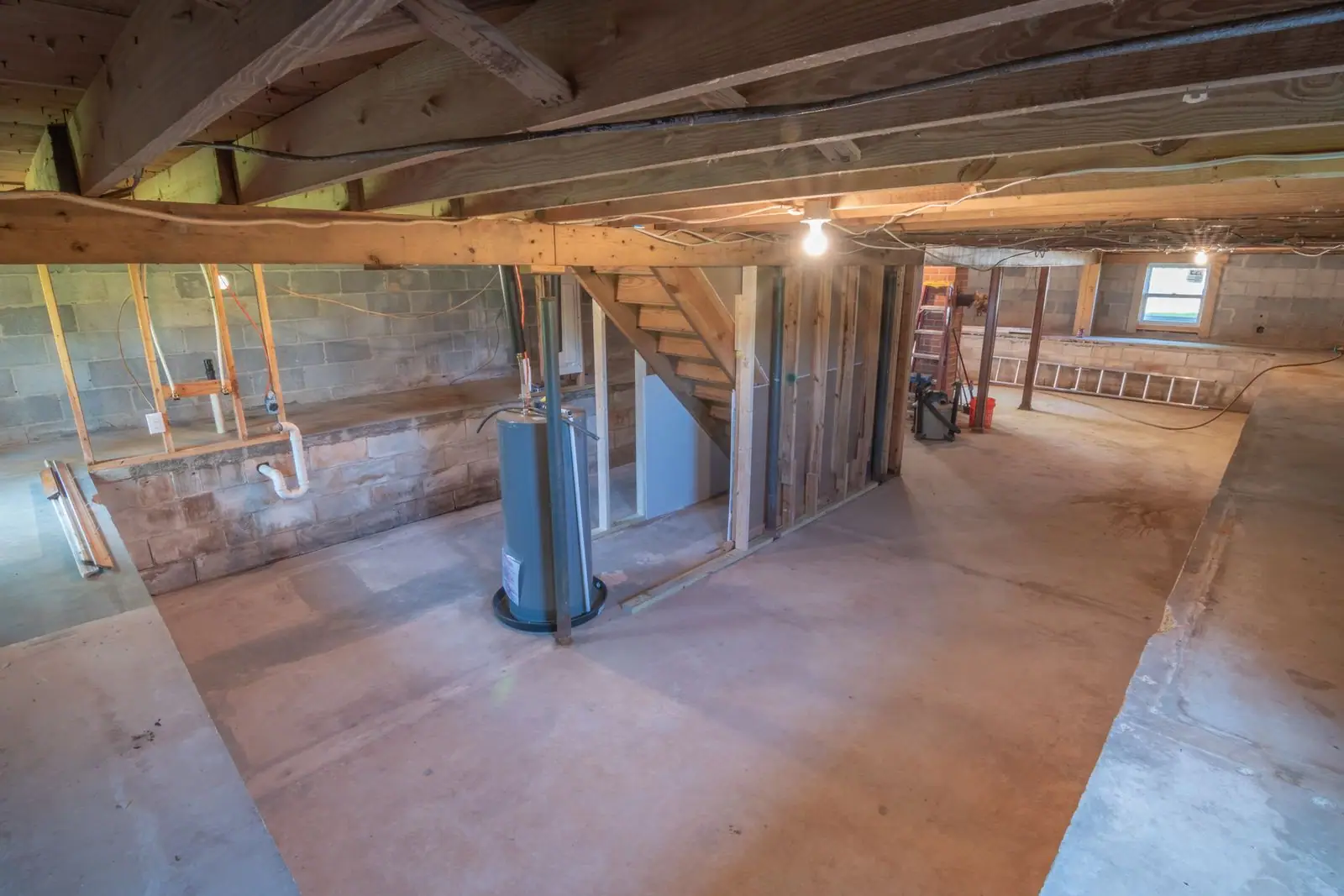
Your nose knows first.
- A musty smell when the heat or AC starts
- Dark spots on or around the registers
- Water sitting around the indoor unit
- Growth you can see near the coil or drain pan
HVAC mold answers.
How do I know if it is mold in the system?
A musty smell when the heat or AC starts is the most common clue, along with dark spots at the registers or growth you can see near the indoor unit. An inspection tells you for sure.
Why does mold grow in an HVAC system?
Moisture. The cooling coil pulls water out of the air, and it drains through a pan and a line. When that area stays damp, or ducts sweat in a humid space, mold has what it needs.
Can you clean the ducts at the same time?
Duct cleaning is our main service, so ask when you book or call (717) 517‑4149.
How do I book?
Pick a time online, or call (717) 517‑4149.
Book online or just call.
Online booking asks for your ZIP code and lets you pick a time. Or call and talk it through.